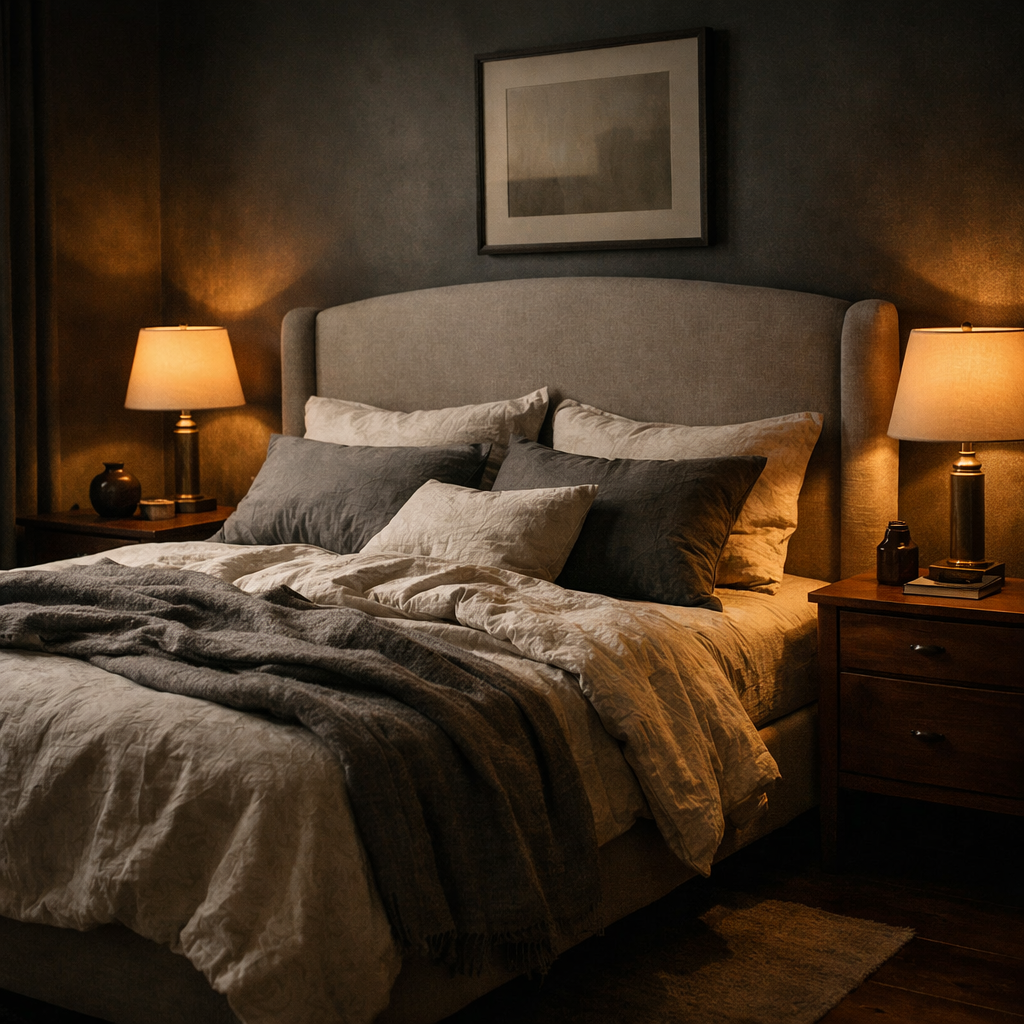
Dark, moody interiors are no longer a niche aesthetic reserved for historic homes or dramatic design enthusiasts. They have become one of the defining movements in contemporary interior design. In a landscape once dominated by bright whites and airy minimalism, the shift toward deeper tones signals something more than a visual preference. It reflects a broader cultural recalibration toward comfort, individuality, and emotional resonance within the home.

The Rejection of Overexposed Minimalism
For years, the design world favored light-filled spaces. White walls, pale woods, and barely-there palettes emphasized openness and simplicity. While undeniably clean and versatile, these interiors often lacked a sense of depth or personality. They photographed well and felt universally appealing, but they did not always translate into spaces that felt grounding or restorative on a daily basis.
As more people began spending extended time at home, the limitations of this aesthetic became more apparent. Rooms that once felt fresh began to feel stark or unfinished. The desire shifted toward environments that felt more anchored, more layered, and more reflective of how people actually live. Dark interiors offer a counterpoint to this visual overexposure. Rich charcoals, inky blues, forest greens, and warm browns absorb light rather than reflect it. This creates a cocoon-like atmosphere that feels intentional and intimate. The effect is less about making a room look larger and more about making it feel better.

Emotional Design and the Rise of Atmosphere
At the core of this trend is a shift toward emotional design. Home is no longer just a backdrop. It is an active participant in how we decompress, focus, and recharge. Design decisions are increasingly driven by how a space feels, not just how it looks.
Dark, moody palettes naturally support this philosophy by fostering a sense of calm and retreat. Lower light reflectance values in darker colors soften visual noise and reduce the harshness often associated with bright, high-contrast spaces. This allows the eye to settle, creating a more restful visual experience.
Textures and materials become more important in this context. Velvet upholstery, matte finishes, aged woods, and brushed metals stand out with greater clarity against a darker backdrop. Lighting becomes more deliberate and layered, favoring warm, diffused sources that create pockets of illumination rather than uniform brightness. Table lamps, sconces, and accent lighting replace overhead dominance, contributing to a more intimate and human-scaled environment.
The result is a space that feels curated rather than exposed and atmospheric rather than purely functional.

A Return to Depth, Craft, and Materiality
Another reason for the rise of moody interiors is the renewed appreciation for craftsmanship and material richness. Dark palettes inherently highlight variation. The grain in wood, the veining in stone, and the subtle sheen of textiles become more pronounced because of the contrast created by deeper tones.
In lighter spaces, these details can be washed out or overlooked entirely. In darker environments, they are amplified and celebrated. This shift aligns with a broader movement toward investing in fewer, higher-quality pieces rather than filling a space with volume. Furniture and decor are chosen with intention, and each piece is expected to contribute to the overall composition.
This approach also supports a more timeless aesthetic. Rather than relying on trend-driven decor, moody interiors often incorporate classic materials and silhouettes that age well. The space evolves over time, gaining character rather than losing relevance.

The Influence of Hospitality and Boutique Design
Much of the appeal can also be traced to hospitality design, particularly boutique hotels, private members’ clubs, and high-end restaurants. These environments have long understood the psychological impact of lighting and color. They use darker palettes to create intimacy, exclusivity, and a sense of escape from the outside world.
As residential design increasingly borrows from these environments, homeowners are seeking to recreate that same experience. A bedroom becomes more than a place to sleep. It becomes a retreat that encourages rest and disconnection. A living room transforms into a lounge-like space designed for conversation and lingering. Even transitional spaces such as hallways or reading nooks are being treated as opportunities to create mood rather than simply serve function.
This influence has also elevated expectations around layering. Drapery, rugs, upholstery, and decorative objects are used in combination to build depth and visual interest. The room is experienced gradually rather than all at once.

Personalization Over Perfection
Dark interiors also signal a move away from perfection-driven design. Light, minimal spaces often require constant maintenance to preserve their pristine appearance. Every mark, shadow, or misplaced object becomes visible. This can create an environment that feels more performative than livable.
Darker palettes are more forgiving and allow homes to feel lived-in without appearing disordered. They embrace variation and imperfection in a way that feels more aligned with real life. This makes them particularly appealing for those who value comfort and authenticity over rigid styling.
They also offer a stronger canvas for personal expression. Artwork appears more dramatic against a dark wall. Vintage or collected pieces feel more intentional and integrated. Even everyday objects take on a sense of presence when set against a deeper backdrop. The space becomes a reflection of individual taste rather than a replication of a trend.
The Balance Between Drama and Comfort
Despite their richness, successful dark interiors are not heavy or oppressive. The key lies in balance. Layering tones within the same color family prevents the space from feeling flat, while incorporating varied textures adds dimension and movement.
Moments of contrast are equally important. Lighter textiles, reflective surfaces, and metallic accents help break up the depth and prevent the room from feeling enclosed. Natural elements such as wood, stone, and greenery introduce warmth and organic variation, ensuring the space remains inviting.
Proportion and lighting also play critical roles. A well-designed moody interior considers how light interacts with surfaces throughout the day and adjusts accordingly. The goal is not to eliminate light, but to control and shape it in a way that enhances the overall atmosphere.

A Lasting Shift, Not a Passing Trend
While design trends are often cyclical, the move toward dark, moody interiors appears to be rooted in something more enduring. It reflects a deeper understanding of how environments influence well-being, a renewed appreciation for materiality, and a collective desire for spaces that feel personal and immersive.
Rather than replacing lighter aesthetics entirely, moody interiors expand the design vocabulary and offer an alternative that prioritizes depth, atmosphere, and emotional connection. Many homes now incorporate a blend of both approaches, using darker tones in specific rooms or zones to create contrast and variety within the overall design.
In the end, the rise of dark interiors is less about color and more about intention. It represents a shift toward spaces that are designed to be experienced, not just observed. Homes are becoming more than visual statements. They are becoming environments that support how people want to feel, live, and unwind.
Leave a Reply